 WorthWatchSpend less time searching. Watch better.
Education
HirePaths
HirePaths is an English-language career education channel aimed at parents and guardians navigating post-high-school options. Its focus on affordable, faster pathways into well-paying work gives it a practical public-service orientation, with federal grant disclosure adding useful transparency. Viewers should still treat career and training decisions as consequential and compare any pathway guidance with local program quality, costs, placement outcomes, and student goals.
Discovery PickEducation
Editorially reviewed:


Viewer engagementModerate engagement
Based on 20 recent videos
Assessed 11 June 2026
Editorial focusCareer SkillsTechnical Training
Recent videos
Latest from the source
Deep Dive
HirePaths: Learning Formats, Clear Explanations and Viewer Fit
Main focus
HirePaths is an English-language career education channel for parents and guardians exploring what students can do after high school. Its central focus is on faster, more affordable routes into well-paying careers.
Why it matters
HirePaths is useful for families looking beyond a single college-first path and wanting a practical overview of career and training options. Its public grant disclosure and federal non-endorsement note add transparency around how the project is supported.
Style
The presentation is public-service oriented, parent-focused, and designed to make post-high-school choices feel more understandable. The emphasis is practical rather than entertainment-led, with career pathways framed around affordability, speed, and employment potential.
Consistency
With 175 videos and more than 2.2 million total views, HirePaths has a substantial catalog for a focused career education channel. Its audience footprint is larger in viewing activity than subscriber count alone suggests.
- Post-high-school career options
- Affordable education and training paths
- Fast routes into the workforce
- Well-paying career possibilities
- Parent and guardian decision support
- Alternatives to traditional college pathways
Editorial note
Career and training decisions can affect costs, timelines, and future earnings. Families should compare any pathway guidance with local program quality, tuition, completion rates, placement outcomes, labor-market demand, and the student’s own goals.
Related channels
More in Career Skills and Technical Training
 Top Pick
FocusExpert TalksTechnical Training
GOTO Conferences
GOTO Conferences is an English-language technology education channel focused on software development, engineering practice, and talks from the...
 Top Pick
FocusCreator SkillsCareer Skills
Ali Abdaal
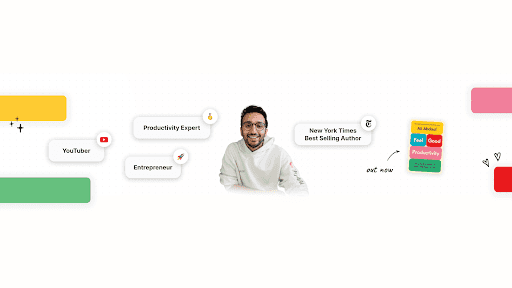
Ali Abdaal is a large English-language productivity and entrepreneurship channel focused on evidence-based strategies, tools, and personal development...
 Top Pick
FocusCreator SkillsAI & Digital Tools
vidIQ
vidIQ is a large education channel focused on helping creators get more views, subscribers, and monetization through tips, guides, and data-driven...
 Top Pick
FocusCreator SkillsExpert Talks
Jon Youshaei
Jon Youshaei is a strong creator economy and platform strategy channel with clear positioning, substantial audience traction, and high-profile...