
Education
OPEN SPACE
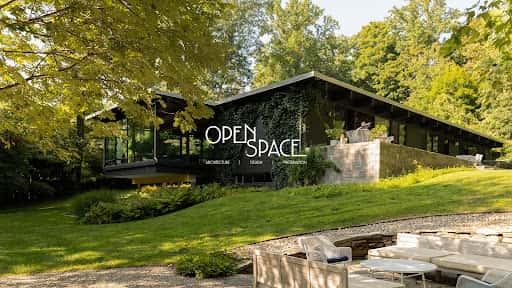
OPEN SPACE brings architecture, design, and preservation into an educational viewing context, linking the built environment with questions of continuity and change. Its remit places design alongside preservation, a useful pairing for viewers interested in how places are shaped, adapted, and maintained over time. This is a strong fit for curious viewers seeking accessible architectural and cultural context rather than consumer advice or technical instruction.
Hidden GemEducation
Editorially reviewed:

Viewer engagementHealthy engagement
Based on 20 recent videos
Assessed 08 September 2026
Editorial focusPractical Making Humanities & Culture
Editorial note
WorthWatch verdict
Best for
Architecture, design, and preservation viewers drawn to thoughtful house tours
Strength
Clear focus on modern homes, restoration stories, and architectural context
Consider if
You prefer project-level narratives over broad design surveys or formal instruction
Recent videos
Latest from the source
Inside One of the Most Unique Houses in Marfa, Texas | IT House by Linda Taalman | House Tour
14 September 2026
A Rare Look Inside a Restored 1949 John Lautner Masterpiece in Pasadena | House Tour
29 August 2026
This 1963 Pierre Koenig–Designed Home Survived the 2025 Palisades Fire in Los Angeles | House Tour
15 August 2026
Deep Dive
OPEN SPACE: Homes, Histories and Restoration
Main focus
OPEN SPACE explores modernist, historic, and restored residences through extended tours rooted in architecture and preservation. Films place individual homes in context through their architects, dates, locations, and design histories.
Why it matters
Choosing a reference for residential architecture or restoration starts with closely observed examples rather than broad design theory. The focused tours make it easier to study how design intent, material character, and preservation intersect in real homes.
Style
Sustained house tours combine visual access to interiors and exteriors with concise architectural context. Most films stay with one property long enough to foreground its design story, giving the work a measured, property-led rhythm.
Consistency
The residential focus remains clear across a compact body of films, with recent entries returning to modernist, historic, and restored houses. Typical 11-to-19-minute runtimes support a consistent, unhurried tour format.
- Mid-century modern homes
- Historic residential architecture
- Restoration and preservation
- Architect-led design histories
- California and Oregon residences
- Interior and exterior house tours
Editorial note
The narrow emphasis on individual residences suits architecture enthusiasts, but viewers seeking broad design instruction, construction guidance, or non-residential projects may want a wider range of sources.
Related channels
More in Practical Making and Humanities & Culture
 Top Pick
FocusPractical Making Humanities & Culture
Manuel Bravo
Architecture and urban history are taught through focused explorations of landmark cities, cathedrals, monuments, and classical civilizations. Recent...
 Top Pick
FocusScience & Technology Practical Making
NileRed
Chemistry lessons connect scientific theory to practical purpose, presenting the subject as a creative and engaging field rather than a purely...
 Top Pick
FocusCreator Skills Practical Making
BBC Learning English
Lessons, tutorials, podcasts, and short videos build practical English skills across speaking, listening, vocabulary, and pronunciation. BBC Learning...
 Top Pick
FocusSTEM Problem Solving Practical Making
Khan Academy
Khan Academy is an English-language nonprofit education channel with a broad curriculum across math, science, humanities, economics, finance, grammar,...