
Academic Learning
Azim Premji University
University-level learning spans education, development, economics, public health, social sciences, sciences, and humanities. Azim Premji University’s broad academic remit reflects a higher-education setting, including undergraduate, postgraduate, and teacher-education pathways. It is best suited to viewers seeking institution-led perspectives on interdisciplinary study and questions of equity, sustainability, and public life.
Hidden GemAcademic Learning
Editorially reviewed:

Viewer engagementStrong engagement
Based on 20 recent videos
Assessed 09 August 2026
Editorial focusPublic Scholarship University Lectures
Editorial note
WorthWatch verdict
Best for
viewers exploring interdisciplinary perspectives on public life and social change
Strength
wide-ranging, institution-led discussions connecting theory, policy, and community realities
Consider if
you prefer selective, discipline-based browsing over a narrowly focused lecture series
Recent videos
Latest from the source
Deep Dive
Azim Premji University: Study Across Equity, Sustainability and Public Life
Main focus
Azim Premji University brings university-level discussion of education, development, economics, public health, the sciences and humanities into one interdisciplinary channel. Its academic remit connects study pathways with wider questions of equity, sustainability and public life.
Why it matters
Choosing a university-led perspective on social change or interdisciplinary study, viewers can draw on material spanning education, economics, public health and the humanities. The breadth supports exploration of how academic fields meet questions of equity, sustainability and public life.
Style
Cross-disciplinary academic perspectives place education, development and public health alongside science and the humanities. The tone is institution-led and study-oriented, with the intended audience shifting between disciplines and levels of study.
Consistency
Across a 2,626-video collection, the subject range is intentionally broad rather than narrowly specialized. It suits selective browsing by discipline, degree interest, or a public-interest question.
- Education and teacher education
- Development and social change
- Economics and public life
- Public health
- Science and sustainability
- Humanities and social sciences
- Equity and inclusion
Editorial note
For public-health topics, use the material as academic context rather than personal medical guidance, and consult qualified professionals for individual decisions.
Related channels
More in Public Scholarship and University Lectures
 Top Pick
FocusPublic Scholarship University Lectures
Harvard University
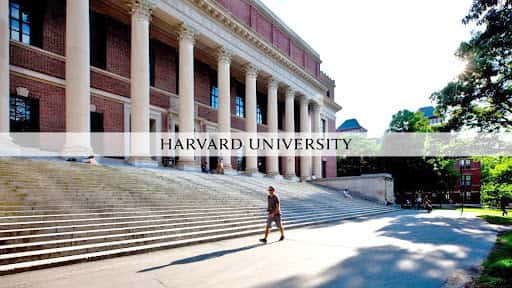
Harvard University documents teaching, learning, research, and campus life across its schools and wider global work. Its scope extends from...

FocusPublic Scholarship University Lectures
University of Oxford
Lectures and research stories bring university teaching, scholarly inquiry, and campus life into an accessible video library. Oxford pairs academic...

FocusPublic Scholarship University Lectures
Yale University
University-produced videos bring Yale’s teaching, learning, and research into a broad academic library. Yale University combines work from creators...

FocusPublic Scholarship University Lectures
University of Virginia School of Law
University of Virginia School of Law presents law-school programming that supports learning about legal institutions, professional practice, and...