

FocusRail & Transit Urban Planning
Building Beautifully
Building Beautifully examines how Sydney's planning choices, transport networks, and infrastructure proposals have shaped the city over recent...
Transport systems shortlist
Transport systems YouTube channels selected for rail, transit, roads, logistics, and mobility tradeoffs.
Editorially reviewed:
Editorial view
Transport content becomes more useful when it explains networks, operations, constraints, and infrastructure choices. This guide highlights sources that make rail, transit, roads, aviation, maritime systems, and mobility infrastructure easier to understand.
Editorial guide
| Channel | Best for | Strength | Consider if |
|---|---|---|---|
| Building Beautifully | Viewers seeking Sydney transport history and planning context | Clear civic storytelling connects past decisions to today’s city. | You want accessible infrastructure commentary, with current proposals understood as evolving public debates. |
| RMTransit | Viewers seeking clearer context on urban transit | Accessible comparisons of network design, reliability, and city planning | you want transit commentary alongside changing project and policy debates |
| Transport for London | London commuters, visitors, and transit enthusiasts | clear, human-centred access to the network’s operations and history | you want transport context beyond maps and timetables |
| Jared Owen | Visual learners curious about how complex systems work | Clear 3D explanations of mechanisms, structures, and movement | you prefer animated cutaways to lecture-led technical education |
| Transport Matters | Viewers following West Midlands transport changes and railway history | Journalistic regional coverage with clear context on infrastructure and passenger impacts | Your interest is mainly UK regional transport rather than broad travel entertainment |
| Real Engineering | Generalists exploring the stories behind ambitious machines and infrastructure | Clear visual narratives that connect engineering innovation with real-world constraints | you want an approachable entry point before consulting technical or specialist sources |
| Railways Explained | Rail enthusiasts and learners seeking network-level context | Clear connections between train mechanics, infrastructure, and railway operations | you want accessible context for rail projects and systems worldwide |
Selected channels
Building Beautifully examines how Sydney's planning choices, transport networks, and infrastructure proposals have shaped the city over recent...
RMTransit explains how metros, trams, buses, rail networks, and wider urban transport systems work across Canada and around the world. Its editorial...

Transport for London’s official channel offers English-language coverage of London’s transport network, including updates, behind-the-scenes features,...
 Top Pick
3D animations are used to break down how objects, systems, and processes work in a visual educational format. Jared Owen’s stated use of Blender gives...
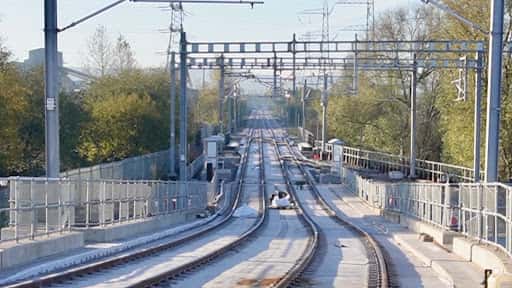
Transport reporting and history are distilled into short films on railways, roads, metro systems and major West Midlands projects. Recent uploads...
 Top Pick
Engineering, technology, infrastructure, and space systems are explored through explanatory videos that connect technical design with history and...
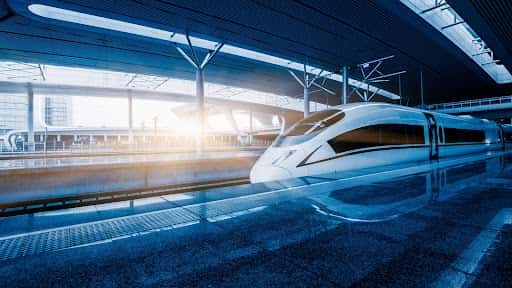
Railway systems, major projects, signalling, freight networks, and urban transit are explained through focused long-form videos. Recent subjects range...
Editorial judgment
Transport channels become valuable when they explain networks rather than isolated vehicles. WorthWatch looks for sources covering transit, rail, roads, logistics, mobility, design constraints, operations, and the tradeoffs that shape movement.
The guide weighs network thinking, operational detail, public usefulness, design context, and whether the channel helps viewers compare mobility choices with more precision.
Start by deciding whether you want rail, transit planning, roads, aviation, logistics, mobility policy, or broader infrastructure context.
Selections favor channels that explain transport as a system, not only as vehicles, destinations, or isolated projects. Read the editorial methodology.
Channels are selected for explaining how transport systems connect people, freight, places, and infrastructure.
The guide favors sources that make constraints, maintenance, reliability, and design tradeoffs visible.
Featured sources compare rail, roads, transit, aviation, and maritime systems without reducing transport to novelty.
Before you choose
A useful channel explains how routes, vehicles, stations, roads, logistics, and policy fit together. WorthWatch favors systems thinking over isolated facts.
It can, when the channel explains roads, mobility, planning, or transport systems. Vehicle ownership and reviews belong more naturally in Automotive.
Compare the channel's scale. Some explain local transit details, while others focus on national networks, logistics, infrastructure, or city mobility.