
 Top Pick
FocusOpen Courseware University Lectures
Stanford Online
Stanford Online presents faculty-developed academic and professional learning across university subjects, research, certificates, and open materials.
Open courseware shortlist
Open courseware YouTube channels selected for free university lectures, complete courses, physics, humanities, science, and self-paced academic study.
Editorially reviewed by WorthWatch Editorial:
Editorial view
The strongest open courseware channels preserve the shape of serious study: complete lecture sequences, visible subject progression, and enough supporting context to move beyond isolated clips. This shortlist brings together official university collections, professor-led courses, and rigorous physics instruction for viewers who want to learn at their own pace.
Editorial guide
| Channel | Best for | Strength | Consider if |
|---|---|---|---|
| Stanford Online | Focused learners seeking university lectures and open courseware. | Faculty-developed material presented in structured, course-oriented formats. | You prefer academic pacing and can separate educational context from personal guidance. |
| MIT OpenCourseWare | Self-directed learners seeking university-level study materials. | A deep, course-structured library with lectures, assignments, and readings. | You prefer sustained academic study and can navigate material that varies in difficulty. |
| YaleCourses | Self-directed learners seeking full Yale university lecture series. | Complete lecture series with structured academic depth and supporting resources. | You prefer sustained classroom teaching and can handle dense, formal material. |
| CosmoLearning | Independent learners pursuing lecture-based study | Sequential playlists that support sustained subject learning | you can assess each series for instructor, date, and prerequisites |
| Professor Leonard | Independent learners following a mathematics class or full subject | Structured, course-specific lessons for sustained concept review | you need to match playlists with your curriculum and current prerequisites |
| IIRS ISRO Digital Learning Programme | Learners building a structured geospatial or Earth science study plan | A deep institutional library spanning applied geospatial and Earth science topics | you want to choose sessions by subject depth and your existing knowledge |
| Aswath Damodaran | Self-directed learners building finance and valuation foundations | Rigorous, sequential lecture series with practical valuation context | you prefer sustained study over quick market commentary |
| Kees Leune | students reviewing databases, networking, and cybersecurity | course-tagged technical lessons with a clear classroom structure | you prefer guided study materials over broad technology commentary |
| Ryan O'Donnell | self-directed learners pursuing rigorous theoretical computer science | cumulative lecture sequences for proof-based quantum and complexity study | you have the programming, mathematics, and theory prerequisites for advanced material |
| Introduction to Cryptography by Christof Paar | Independent learners building a rigorous cryptography foundation | A coherent lecture sequence connecting mathematical principles to applied cryptographic systems | you want a sustained course format and can supplement older material with current standards |
| The Great Courses | Curious learners seeking structured introductions across academic subjects. | Professor-led lectures that provide sustained, clear subject surveys. | You prefer deeper explanations over quick commentary and can devote time to long-form lessons; the full catalogue is a paid product. |
| For the Love of Physics | Physics students seeking structured support with advanced topics. | Step-by-step derivations paired with solved-problem practice. | You want lessons that complement a specific syllabus or exam plan. |
| Lectures by Walter Lewin. They will make you ♥ Physics. | Independent learners seeking a structured, university-level physics sequence. | Complete lecture courses with demonstrations, problems, and supporting study materials. | You value rigorous, classroom-style instruction and can work with older recordings. |
Selected channels
Top PickStanford Online presents faculty-developed academic and professional learning across university subjects, research, certificates, and open materials.
 Top Pick
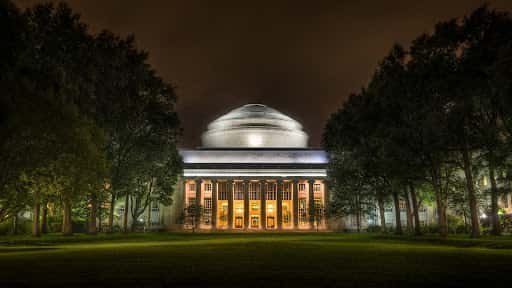
MIT OpenCourseWare pairs a vast lecture catalogue with syllabi, notes, readings, assignments, and solutions for self-directed university study.
 Top Pick
YaleCourses opens complete university lecture series to independent learners, supported by syllabi, transcripts, and classroom resources.
University lecture collections form the core of CosmoLearning, spanning material from universities, educators, and professionals for independent...
 Top Pick
Course-specific mathematics instruction is organized into playlists designed to support sustained study rather than isolated problem tips. With more...

Remote-sensing and geospatial science are taught through substantial lectures on image processing, Earth observation, GIS, machine learning, and...
 Top Pick
Corporate finance, valuation, and investment philosophies are taught through extensive online course series designed for sustained study rather than...

University course materials cover database management, introductory cybersecurity, and computer and network security. Videos are organized around...

Computer science and mathematics lectures span theoretical foundations, complexity, Boolean-function analysis, and quantum computing. The catalog...
Twenty-four university lectures introduce modern applied cryptography through a two-semester foundation for IT security students. The course uses a...
 Top Pick
The Great Courses offers polished, professor-led introductions across history, science, literature, health, religion, and travel.
For the Love of Physics supports serious study with step-by-step derivations, solved problems, and lessons that complement formal coursework.
 Top Pick
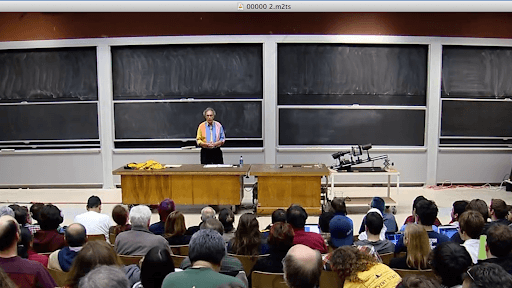
This independent archive preserves university-level physics courses with demonstrations, assignments, solutions, and help sessions.
Editorial judgment
Open courseware is most valuable when it preserves the continuity of a course rather than offering isolated academic clips. WorthWatch looks for complete sequences, visible subject structure, and source context that helps independent learners understand where to begin and how to continue.
The selection weighs course completeness, lecture continuity, academic clarity, supporting study material, and whether the channel remains useful across several study sessions.
Use the shortlist by learning need: broad university catalogues, complete lecture series, polished subject surveys, or focused physics courses with worked problems and demonstrations.
Selections favor coherent course architecture, faculty or institutional context, durable academic depth, and material that supports sustained independent study without confusing free viewing with formal enrollment or credit. Read the editorial methodology.
Channels are selected for course sequences, lecture series, or subject progression that supports learning beyond a single video.
The shortlist keeps the university, faculty, archive, or independent teaching context visible so viewers know what kind of source they are using.
Featured sources offer enough depth, continuity, or supporting material to reward sustained self-paced study.
Before you choose
Open courseware makes academic teaching materials publicly available for independent study. Depending on the source, that can include lecture videos, syllabi, notes, readings, assignments, transcripts, or solutions.
Yes. The YouTube material featured in this guide is free to watch. Some channels connect to wider catalogues, certificates, or paid courses, so viewers should check the linked source before assuming every supporting resource is free.
Usually not. Open courseware supports self-directed learning but normally does not include enrollment, assessment, instructor access, or academic credit unless the provider states otherwise.
Start with the subject, expected level, and format. A complete university course suits sustained study, while a polished lecture series or focused problem-solving channel may be better for orientation or targeted review.
Open courseware usually preserves more of a course's structure and supporting material. A public lecture can still be valuable, but it may stand alone without the progression, assignments, or resources of a full course.