
Education
Big Think
Conversations with academics, scientists, writers, and other specialists turn complex ideas in science, philosophy, culture, and human behavior into accessible lessons. Its interview-led library draws on a wide range of named thinkers, giving viewers recurring access to expert perspectives rather than a single-host viewpoint. It is a strong fit for curious viewers seeking concise, idea-driven learning and context for contemporary questions. Health or psychology topics are best treated as educational discussion rather than personal guidance.
Top PickEducation
Editorially reviewed:

Viewer engagementHealthy engagement
Based on 20 recent videos
Assessed 08 September 2026
Editorial focusExpert Talks Society & Behavior
Editorial note
WorthWatch verdict
Best for
Viewers seeking expert talks on ideas, society, and human behavior
Strength
Clear framing and recognizable contributors make complex topics accessible.
Consider if
You prefer concise intellectual context over academic depth, especially on psychology and life-advice topics.
Recent videos
Latest from the source
The political philosophy that changed the world | Jonathan Rauch: Full Interview
02 October 2026
How tiny actions grow into sustained happiness | Tal Ben-Shahar: Full Interview
25 September 2026
Arguing is a constructive skill: The blueprint to build yours | Bo Seo: Full Interview
18 September 2026
Deep Dive
Big Think: Expert Ideas for a Changing World
Main focus
Big Think brings academics, scientists, writers, and other specialists into concise conversations on science, philosophy, culture, and human behavior. The result is an expansive, interview-led resource for unpacking ideas that influence how people think, work, and live.
Why it matters
Choose an episode when you want a compact introduction to a complex question, delivered through an expert’s perspective. The breadth of guests helps viewers compare ways of thinking across disciplines instead of relying on a single host’s frame.
Style
Conversations with specialists distill substantial subjects into clear, accessible lessons rather than extended lectures. The guest-led format moves between big-picture ideas and practical reflections on thinking, work, and everyday life.
Consistency
More than 10,000 videos make this a deep reference library for returning to questions across disciplines. Its guest-driven range is broad, so the depth and emphasis can vary from one subject to the next.
- Science and the future
- Philosophy and critical thinking
- Human behavior and psychology
- Culture and society
- Work, learning, and productivity
- Ideas from expert guests
Editorial note
Treat psychiatry, mental health, and personal-development discussions as educational context rather than individualized medical or therapeutic advice, and weigh broad life guidance against your own circumstances.
Related channels
More in Expert Talks and Society & Behavior
 Top Pick
FocusExpert Talks Technical Training
GOTO Conferences
Software conference talks and masterclasses form the core of GOTO Conferences, addressing current development work, longer-term technical planning,...
 Top Pick
FocusCreator Skills Expert Talks
Jon Youshaei
Creator-economy lessons are taught through interviews and practical insights drawn from work at YouTube and Instagram. Jon Youshaei pairs platform...
 Top Pick
FocusHumanities & Culture Expert Talks
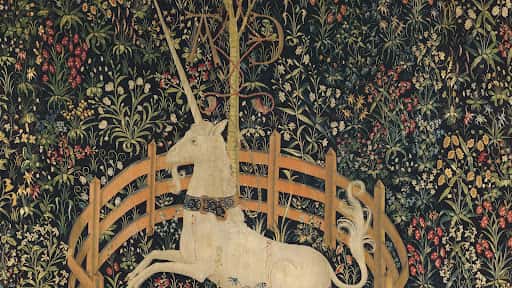
The Met
Art from more than 5,000 years and cultures is presented through a major museum’s digital programming, extending the collections of The Met Fifth...
 Top Pick
FocusStructured Lessons Humanities & Culture
TED-Ed
Animated lessons explore a broad range of ideas through concise, curiosity-led educational storytelling. TED-Ed pairs short-form animation with...