
Academic Learning
Cambridge Society For Economic Pluralism
Long-form economics seminars and panel discussions explore economic theory, policy, history, inequality, trade, innovation, and competing schools of thought. The catalogue is built around substantial recorded talks, often featuring named academics and structured around specific research questions or debates. It is best suited to viewers seeking rigorous, university-style discussion rather than short explainers or practical money advice.
Hidden GemAcademic Learning
Editorially reviewed:
Quiet lately
This source has been less active recently, but remains included for its editorial value.
Quiet lately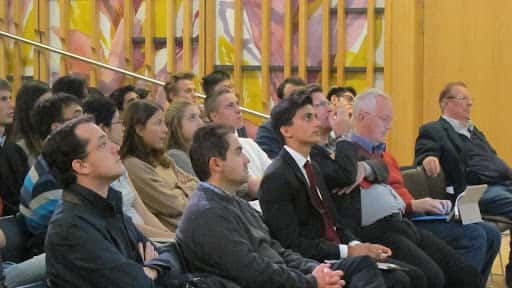

Viewer engagementHealthy engagement
Based on 20 recent videos
Assessed 03 October 2026
Editorial focusHumanities & Culture University Lectures
Editorial note
WorthWatch verdict
Best for
Viewers seeking university-style economics seminars and pluralist debate
Strength
Serious long-form discussions that challenge narrow textbook views of economics
Consider if
You are comfortable with dense panels, uneven event recordings, and policy arguments as study material
Recent videos
Latest from the source
Deep Dive
Cambridge Society For Economic Pluralism: Debates Beyond Economic Orthodoxy
Main focus
Cambridge Society For Economic Pluralism preserves university-style seminars, panels and debates on economic theory, policy, history and inequality. Its discussions give space to competing schools of thought and interdisciplinary approaches to current affairs.
Why it matters
Choose a session when you want to examine an economic question through sustained academic discussion rather than a quick explainer. The talks can help place policy debates, trade, innovation and inequality within wider intellectual traditions.
Style
Recorded seminars and structured panels give Cambridge Society For Economic Pluralism a formal, lecture-led pace. Named academics and focused discussion questions shape long-form conversations that reward attentive viewing and familiarity with economic concepts.
Consistency
Across 87 recorded sessions, the emphasis remains on substantial academic talks rather than short-form commentary. The archive is most coherent as a reference library for viewers willing to follow individual research questions and debates.
- Competing schools of economic thought
- Economic policy and current affairs
- Inequality and distribution
- Trade and global economics
- Economic history
- Innovation and interdisciplinary economics
Editorial note
Treat these discussions as a route into competing economic perspectives, not personal financial or investment guidance; newcomers may benefit from a primer alongside the longer debates.
Related channels
More in Humanities & Culture and University Lectures
 Top Pick
FocusHumanities & Culture University Lectures
Jeffrey Kaplan
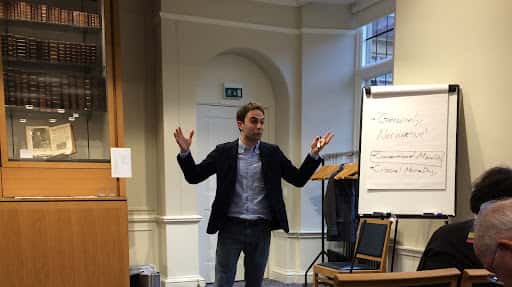
Jeffrey Kaplan presents philosophy through video lectures led by a practicing professor. A library of more than 100 videos, alongside substantial...
 Top Pick
FocusOpen Courseware University Lectures
MIT OpenCourseWare
MIT OpenCourseWare publishes academic instruction spanning introductory subjects through advanced graduate coursework. Its course-based format extends...
 Top Pick
FocusPublic Scholarship University Lectures
Harvard University
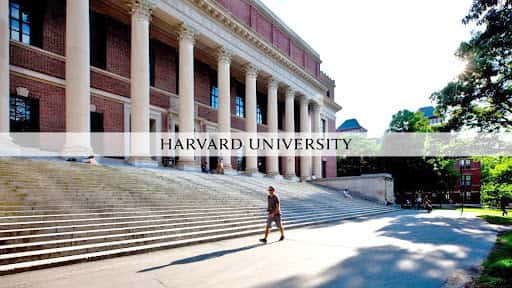
Harvard University documents teaching, learning, research, and campus life across its schools and wider global work. Its scope extends from...
 Top Pick
FocusOpen Courseware University Lectures
YaleCourses
Complete university lectures form the backbone of YaleCourses, bringing classroom teaching and academic programs to a broad online audience. Its Open...