
Engineering & Infrastructure
City Beautiful
Through regular videos on transportation, land-use planning, and urban design, City Beautiful explains how cities are shaped and managed. Its engineering and infrastructure remit frames urban places as connected systems, bringing planning concepts into an accessible educational format. With 203 videos and a substantial viewing history, it offers useful context for viewers seeking a clearer understanding of urban form and public infrastructure.
Top PickEngineering & Infrastructure
Editorially reviewed:


Viewer engagementStrong engagement
Based on 20 recent videos
Assessed 15 October 2026
Editorial focusUrban Planning Transport Systems
Editorial note
WorthWatch verdict
Best for
viewers seeking a clearer read on how cities function
Strength
connected visual explainers linking everyday places to planning decisions
Consider if
you want urban policy perspectives alongside local context
Recent videos
Latest from the source
Deep Dive
City Beautiful: How Urban Systems Shape Everyday Life
Main focus
City Beautiful explores the forces that shape urban life, from transportation networks and land use to the design of streets and public spaces. It treats cities as connected systems, making planning and infrastructure concepts more approachable.
Why it matters
Use it to build a clearer framework for reading the places you live in or travel through. City Beautiful connects familiar urban experiences—getting around, housing patterns, and public space—to the planning decisions behind them.
Style
Accessible educational explainers turn urban planning ideas into a connected view of how cities function. The emphasis stays on relationships between transportation, land use, urban design, and public infrastructure rather than isolated topics.
Consistency
Regular videos support an archive centered on cities and city planning. Its subject range remains coherent, linking practical urban systems with the policies and design choices that influence them.
- Transportation systems
- Land-use planning
- Urban design
- Public infrastructure
- How cities are managed
- Connected urban systems
Editorial note
Urban planning outcomes vary widely with local geography, governance, budgets, and community priorities. Treat policy and design arguments as perspectives to compare with the conditions of a particular city.
Related channels
More in Urban Planning and Transport Systems
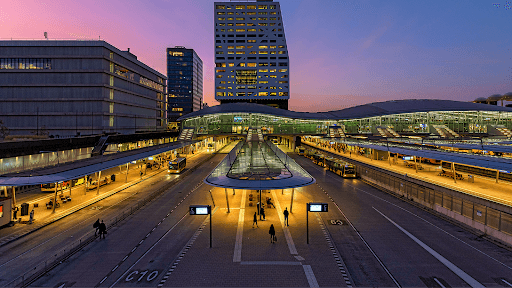 Top Pick
FocusUrban Planning Transport Systems
Not Just Bikes
Not Just Bikes examines urban planning and everyday city experiences, with particular attention to why Dutch cities function differently. Its work is...

FocusUrban Planning Transport Systems
Ray Delahanty | CityNerd
CityNerd is an English-language urbanism and transportation channel led by Ray Delahanty, who describes experience in transportation planning and...
FocusRail & Transit Transport Systems
RMTransit
RMTransit explains how metros, trams, buses, rail networks, and wider urban transport systems work across Canada and around the world. Its editorial...
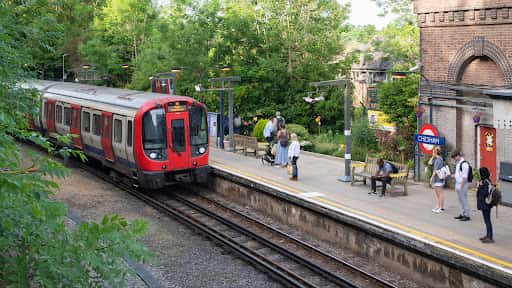
FocusTransport Systems Rail & Transit
Transport for London
Transport for London’s official channel offers English-language coverage of London’s transport network, including updates, behind-the-scenes features,...