
Documentary
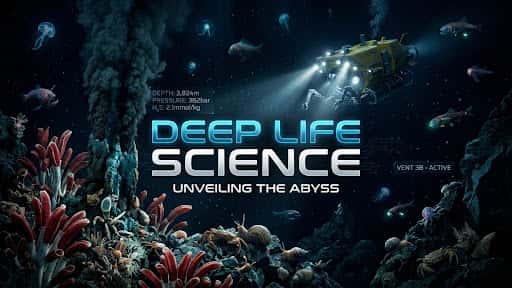
Deep Life Science
Deep-ocean documentaries guide viewers through abyssal ecosystems, bioluminescence, and unusual marine species. The editorial focus is on making remote ocean environments and their biological adaptations accessible through mystery-driven science storytelling. It should suit viewers looking for concise natural-history discovery and a visually imaginative introduction to life in the deep sea.
Hidden GemDocumentary
Editorially reviewed:

Viewer engagementHealthy engagement
Based on 20 recent videos
Assessed 03 November 2026
Editorial focusNatural History
Editorial note
WorthWatch verdict
Best for
Introductory deep-ocean science told through accessible documentary-style creature stories
Strength
Clear niche, vivid marine biology storytelling, and strong curiosity pull
Consider if
You enjoy broad introductions more than source-led analysis of precise biological claims
Recent videos
Latest from the source
Deep Dive
Deep Life Science: Bioluminescence and Life Below the Abyss
Main focus
Deep Life Science explores the ocean’s least familiar habitats, from abyssal ecosystems to bioluminescent creatures and unusual marine adaptations. Its documentaries frame deep-sea biology as a journey into an environment that remains remote and visually striking.
Why it matters
Choose it for an accessible introduction to the creatures and ecological pressures shaping life far below sunlight. The focused approach makes unfamiliar habitats easier to picture while keeping the emphasis on discovery-driven natural history.
Style
Mystery-led documentary storytelling guides each visit to the deep through alien-looking species, extreme environments, and glowing biological phenomena. The tone is imaginative and concise, using the abyss’s strangeness as an entry point to marine science.
Consistency
Across 28 videos, the archive maintains a clear deep-ocean identity centered on marine life, biological adaptation, and the mystery of remote underwater environments.
- Abyssal and deep-ocean ecosystems
- Bioluminescence
- Unusual marine species
- Adaptations to extreme environments
- Deep-sea biological wonders
- Natural-history exploration
Editorial note
The mystery-forward framing suits discovery viewing, but viewers seeking technical depth should compare claims with primary marine-science research and distinguish established findings from speculation.
Related channels
More in Natural History
 Top Pick
FocusNatural History
BBC Earth
Nature and wildlife documentaries bring viewers close to animal behaviour, ecosystems, and the forces shaping the planet. BBC Earth draws on BBC Earth...
 Top Pick
FocusNatural History
Free Documentary - Nature
Nature documentary programming takes viewers into wildlife, landscapes, and environmental subjects from around the world. Its stated approach...
 Top Pick
FocusNatural History
Free High-Quality Documentaries
Long-form documentaries explore wildlife, ecosystems, remote communities, cities, and vernacular architecture from locations around the world. Recent...
 Top Pick
FocusWildlife
Nat Geo Animals
Animal-kingdom programming introduces viewers to wildlife subjects through a broad documentary-oriented library. Nat Geo Animals emphasizes discovery,...