
Academic Learning
Degree Doctor
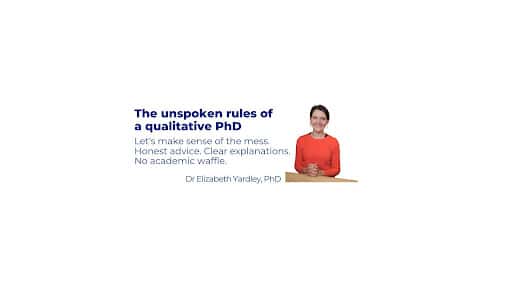
Degree Doctor teaches qualitative PhD researchers how to navigate methodology, literature reviews, analysis, discussion chapters, and the difficult middle stages of a doctorate. Its editorial angle is practical and process-led, pairing research-method guidance with candid attention to supervisor uncertainty, imposter feelings, and repeated rewriting. It is best suited to doctoral learners seeking detailed academic support rather than broad productivity advice.
Hidden GemAcademic Learning
Editorially reviewed:

Viewer engagementHealthy engagement
Based on 20 recent videos
Assessed 08 October 2026
Editorial focusAcademic Practice & Teaching Student Learning Support
Editorial note
WorthWatch verdict
Best for
Qualitative PhD researchers navigating complex thesis stages
Strength
Plain-spoken guidance connecting research decisions with doctoral writing
Consider if
you need support tailored to qualitative methods rather than general study skills
Recent videos
Latest from the source
Deep Dive
Degree Doctor: Guidance for the Qualitative PhD’s Messy Middle
Main focus
Degree Doctor addresses the practical and intellectual knots of a qualitative PhD, from research paradigms and methodology to literature reviews, analysis, and discussion chapters. It also gives direct attention to rewriting, supervisor uncertainty, and the imposter feelings that can complicate doctoral work.
Why it matters
Untangling a stalled literature review or uncertain methodological choice becomes more manageable through focused guidance on the decisions behind each stage. Degree Doctor is especially useful for researchers who want to understand why progress has slowed, rather than collect generic productivity tips.
Style
Plain-spoken explanations break down demanding research and writing questions without sidestepping the emotional pressure of doctoral study. The approach is practical and process-led, connecting academic concepts to the revisions, decisions, and conversations researchers face along the way.
Consistency
Across 746 videos, the work centres on recurring stages of qualitative doctoral research rather than broad study advice. That sustained focus makes the archive useful for returning to specific challenges as a project develops.
- Qualitative research methodology
- Research paradigms and design
- Literature reviews
- Qualitative data analysis
- Discussion chapter development
- Supervisor relationships and feedback
- Doctoral confidence and rewriting
Editorial note
Guidance is most relevant to qualitative doctorates; programme rules, supervisory expectations, and institutional requirements should remain the final reference for your research.
Related channels
More in Academic Practice & Teaching and Student Learning Support
FocusUniversity Lectures Student Learning Support
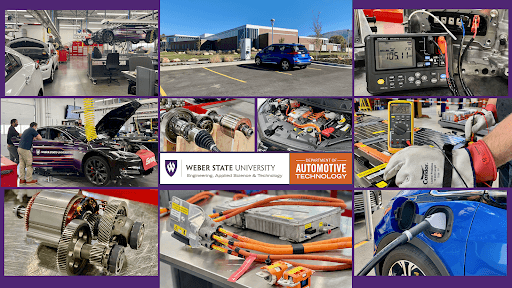
WeberAuto
University automotive instruction covers hybrid and electric vehicles, transmissions, drivetrains, vibration diagnosis, and service methodology....
 Top Pick
FocusStudent Learning Support Science & Research
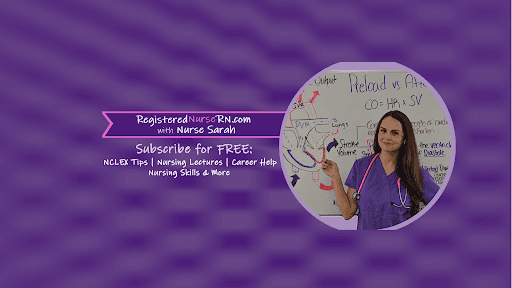
RegisteredNurseRN
Nurse Sarah teaches nursing students and early-career nurses through NCLEX reviews, clinical-skills lessons, school guidance, and career-oriented...
 Top Pick
FocusStudent Learning Support Science & Research
Professor Dave Explains
Step-by-step tutorials bring chemistry, physics, biology, and broader science concepts to high-school, undergraduate, and curious general audiences....
 Top Pick
FocusStudent Learning Support Science & Research
Osmosis from Elsevier
Osmosis from Elsevier teaches consumer-facing medical and health concepts through a large library of educational videos. Its wider learning ecosystem...