
Exploration
Eze Adventurer
Long-form wilderness films follow solo packrafting, canoeing, hiking, fishing, and survival-oriented journeys across Alaska, Patagonia, Belize, Canada, and the United States. Recent releases consistently run roughly 32 to 174 minutes, pairing remote-route narratives with self-reliance, changing weather, and expedition logistics. It best serves viewers seeking immersive outdoor storytelling rather than gear-led content; extreme cold, isolation, and no-food/no-water scenarios warrant viewer judgment rather than imitation.
Hidden GemExploration
Editorially reviewed:


Viewer engagementNot enough recent signal
Assessment pending
Editorial focusOverland Travel Backcountry Hiking
Recent videos
Latest from the source
Deep Dive
Eze Adventurer: Remote Journeys Shaped by Weather and Water
Main focus
Eze Adventurer brings remote wilderness travel into long-form films built around multi-day packrafting, canoe routes, backcountry hikes and alpine solitude. Storms, crossings, camps and fatigue become part of the narrative, keeping the focus on judgment and adaptation in demanding terrain.
Why it matters
Choosing a film for an extended escape into remote country, viewers get journeys with enough duration for changing conditions and physical effort to register. The expedition-first approach favors sustained travel and lived terrain over quick highlights or gear-centered detours.
Style
Cinematic, long-form expedition narratives unfold through sunrise starts, river crossings, bad weather and remote campsites. The pacing gives body and mind equal attention, framing wilderness travel as an evolving test rather than a sequence of isolated action moments.
Consistency
Across 76 films, the archive centers on remote, multi-day travel rather than short clips, with packrafting, canoeing, hiking and alpine settings returning as core formats. That scale supports a clear preference for immersive expeditions.
- Multi-day packrafting journeys
- Remote canoe routes
- Backcountry hiking
- Alpine solitude
- Weather and river crossings
- Camp life and endurance
- Adapting to wilderness conditions
Editorial note
These journeys can make demanding travel feel deceptively self-contained; anyone taking similar routes should match plans to current conditions, skills, local knowledge, navigation, equipment and emergency options.
Related channels
More in Overland Travel and Backcountry Hiking

FocusOverland Travel Remote Expedition
Drew Simms
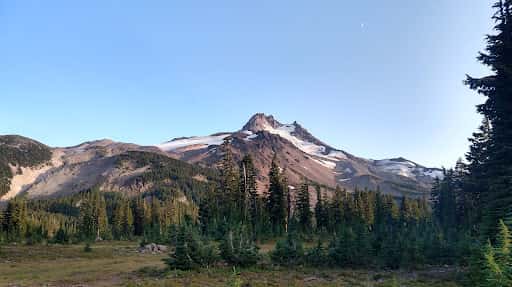
Remote travel, wildlife encounters, and self-supported camping form the core of Drew Simms’s exploration films. Long Alaska overlanding and...
 Top Pick
FocusBackcountry Hiking Backpacking Gear
thruhikers
Thruhikers follows long-distance hiking through expedition updates, compact trail lessons, and practical outdoor experiments. Recent videos pair...
 Top Pick
FocusBackcountry Hiking Backpacking Gear
Kraig Adams
Solo hiking journeys across Norway, Kyrgyzstan, Mallorca, the Balkans, Scotland, and Pakistan form the core of this filmmaker’s recent work. Extended...
FocusBackcountry Hiking Backpacking Gear
Harmen Hoek
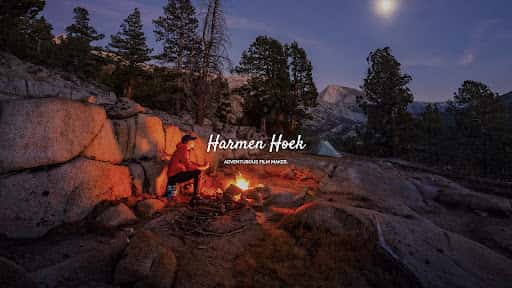
Silent hiking films lead viewers through solo walks, camping, and travel in natural settings, using visual storytelling rather than spoken...