
Education
GARAGEMCA
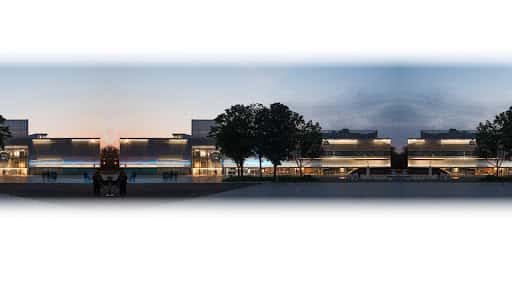
Garage Museum of Contemporary Art documents and interprets Russian contemporary art through archival work, books, film screenings, lectures, and artist-support programmes. Its remit connects museum education with the history of contemporary culture, while its Moscow home in the reconstructed Vremena Goda restaurant gives the institution a distinct architectural context. This is a strong fit for viewers seeking Russian-language art history and cultural programming, especially those interested in archives, artists, and institutions beyond major capitals.
Hidden GemEducation
Editorially reviewed:

Viewer engagementStrong engagement
Based on 20 recent videos
Assessed 14 August 2026
Editorial focusHumanities & Culture Expert Talks
Editorial note
WorthWatch verdict
Best for
Russian contemporary art and cultural-history viewers
Strength
Archive-rich museum context connecting artists, institutions, film, and publishing
Consider if
you prefer independent perspectives or need predominantly English-language programming
Recent videos
Latest from the source
Deep Dive
GARAGEMCA: Russian Contemporary Art Through Archives and Ideas
Main focus
Russian contemporary art is approached through the work of a Moscow museum: its archives, publications, lectures, film programmes and support for artists. The result places artworks alongside the institutions and cultural histories that shape them.
Why it matters
Choose it when you want museum-led context for Russian contemporary art rather than a quick exhibition overview. Lectures, archival perspectives and cultural programming offer routes into artists, ideas and institutions beyond major cultural centres.
Style
Lectures and film-screening programmes sit beside archive-focused material and publishing-related cultural discussion. The tone is institutional and educational, connecting art history to the wider workings of contemporary culture.
Consistency
Nearly 2,000 videos create a deep reference archive across art history, cultural education and institutional activity. The range suits selective exploration as well as sustained study.
- Russian contemporary art history
- Museum archives and collections
- Artist support and cultural institutions
- Lectures and public education
- Film screenings and contemporary culture
- Art books and publishing
Editorial note
Expect a museum-curated viewpoint; pair its programmes with independent voices when comparing interpretations of artists or cultural history. Russian-language comfort will help.
Related channels
More in Humanities & Culture and Expert Talks
 Top Pick
FocusCreator Skills Expert Talks
Jon Youshaei
Creator-economy lessons are taught through interviews and practical insights drawn from work at YouTube and Instagram. Jon Youshaei pairs platform...
 Top Pick
FocusStructured Lessons Humanities & Culture
TED-Ed
Animated lessons explore a broad range of ideas through concise, curiosity-led educational storytelling. TED-Ed pairs short-form animation with...
 Top Pick
FocusExpert Talks Society & Behavior
Big Think
Conversations with academics, scientists, writers, and other specialists turn complex ideas in science, philosophy, culture, and human behavior into...
 Top Pick
FocusExpert Talks Technical Training
GOTO Conferences
Software conference talks and masterclasses form the core of GOTO Conferences, addressing current development work, longer-term technical planning,...