
Academic Learning
Gonzaga Climate Institute
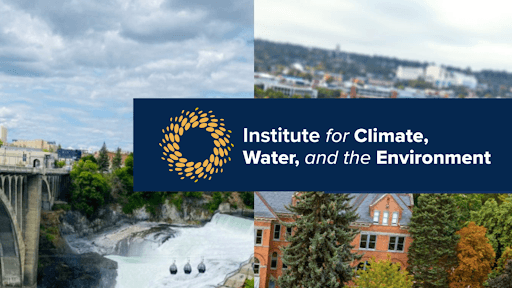
Climate, water, and environmental education for inland Northwest communities anchors this university institute’s work. Its stated approach combines regional capacity building, scholarship, and teaching while connecting ecological concerns with care for communities, lands, and waters. It is best suited to viewers seeking an academic perspective on regional climate adaptation and environmental stewardship.
Hidden GemAcademic Learning
Editorially reviewed:

Viewer engagementHealthy engagement
Based on 20 recent videos
Assessed 09 November 2026
Editorial focusPublic Scholarship University Lectures
Editorial note
WorthWatch verdict
Best for
Inland Northwest residents exploring climate adaptation and environmental stewardship
Strength
Regionally grounded public lectures linking climate, water, law, and community well-being
Consider if
you want academic discussions that connect environmental change with civic and ethical questions
Recent videos
Latest from the source
Deep Dive
Gonzaga Climate Institute: Regional Climate, Water, and Community Stewardship
Main focus
Gonzaga Climate Institute examines climate, water, and environmental questions through the needs of inland Northwest communities. Its work links regional capacity building and scholarship with stewardship of lands and waters, placing ecological change alongside community well-being.
Why it matters
People working to understand climate adaptation in the inland Northwest can use it to connect environmental questions with local communities, waters, and lands. The regional lens gives broader climate discussions a grounded civic and ecological context.
Style
Regional scholarship and teaching shape an academic, community-minded approach to climate, water, and environmental stewardship. The emphasis stays on capacity building and on the relationship between changing conditions, landscapes, and community flourishing.
Consistency
Across 106 videos, the institute maintains a clear regional emphasis on climate, water, and environmental learning for inland Northwest communities.
- Climate adaptation in the inland Northwest
- Water and watershed stewardship
- Environmental education
- Community capacity building
- Land and ecosystem care
- Climate justice and community well-being
Editorial note
Regional guidance is most useful when read alongside current local policies, emergency information, and technical advice from relevant authorities and specialists.
Related channels
More in Public Scholarship and University Lectures
 Top Pick
FocusPublic Scholarship University Lectures
Harvard University
Harvard University documents teaching, learning, research, and campus life across its schools and wider global work. Its scope extends from...

FocusPublic Scholarship University Lectures
University of Oxford
Lectures and research stories bring university teaching, scholarly inquiry, and campus life into an accessible video library. Oxford pairs academic...

FocusPublic Scholarship University Lectures
Gresham College
Free public lectures from the City of London form the core of this long-running educational archive, with a substantial catalogue extending a...
FocusPublic Scholarship University Lectures
Yale University
University-produced videos bring Yale’s teaching, learning, and research into a broad academic library. Yale University combines work from creators...