
Academic Learning
Harvard Magazine
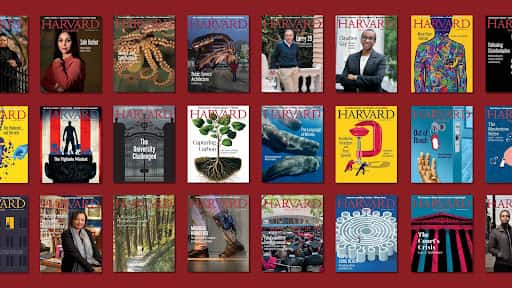
Harvard Magazine turns university research, history, culture, and campus life into short features and longer expert conversations. Recent programming ranges from AI vulnerabilities and the housing crisis to memory, exercise science, space debris, historical instruments, and archival Harvard–Yale footage, combining interview-led explainers with occasional brief Hidden Harvard Gems pieces. It suits viewers seeking accessible entry points to scholarly ideas and institutional culture; health, technology, or financial subjects are best treated as informed discussion rather than personal advice.
Hidden GemAcademic Learning
Editorially reviewed:

Viewer engagementHealthy engagement
Based on 20 recent videos
Assessed 08 October 2026
Editorial focusPublic Scholarship Science & Research
Editorial note
WorthWatch verdict
Best for
Readers seeking Harvard-centered research, culture, and public affairs context
Strength
Magazine-style access to academics across science, policy, business, and culture
Consider if
You prefer thoughtful editorial interviews over fast commentary, especially on research-linked issues
Recent videos
Latest from the source
Deep Dive
Harvard Magazine: Research, Memory, and Campus History
Main focus
Harvard Magazine brings university research, history, culture, and campus life into accessible short features and expert conversations. Its range moves from AI vulnerabilities and housing to exercise science, space debris, the arts, and archival Harvard–Yale material.
Why it matters
Choosing an approachable introduction to scholarly questions, viewers can move between timely research and institutional history without committing to a lecture series. The mix is useful for sampling subjects such as memory, technology, public issues, and cultural artifacts.
Style
Interview-led explainers sit beside brief Hidden Harvard Gems segments and longer conversations, alternating between quick discoveries and sustained discussion. Human-interest storytelling gives research-centered subjects an accessible entry point.
Consistency
Across its 216 videos, concise campus-culture pieces share space with longer scholarly interviews, so viewing length and depth vary by subject.
- University research and scientific inquiry
- Technology and AI
- History and archival material
- Arts, literature, and cultural objects
- Health and exercise science
- Campus life and institutional traditions
Editorial note
Episodes touching health, AI, housing, or cryptocurrency work best as informed discussion; compare consequential claims with current medical, financial, technical, or professional guidance.
Related channels
More in Public Scholarship and Science & Research
 Top Pick
FocusPublic Scholarship Science & Research
Stanford
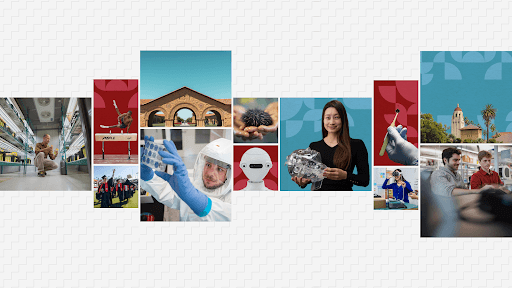
Stanford brings academic inquiry across a broad range of disciplines to a public video audience, spanning the work of seven schools on one campus. Its...
 Top Pick
FocusPublic Scholarship Science & Research
The Royal Institution
Explosive science films sit alongside full-length lectures that invite audiences to reconsider familiar questions through research and ideas. The...
 Top Pick
FocusPublic Scholarship Science & Research
Massachusetts Institute of Technology (MIT)
MIT publishes institutional educational videos spanning science, technology, and broader scholarship. Its work is framed around advancing knowledge,...
 Top Pick
FocusPublic Scholarship Science & Research
Cambridge University
Cambridge University presents research, discoveries and academic ideas through accessible films and talks. Its Cambridge Ideas series brings...