
Documentary
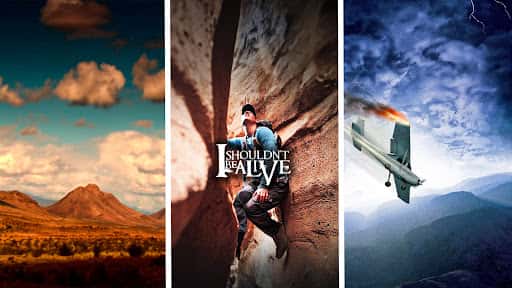
I Shouldn't Be Alive
First-hand survivor accounts and cinematic reenactments reconstruct life-threatening encounters with wilderness, sea, and aviation disasters. Episodes concentrate on the decisions, errors, and split-second choices that shape an escape, pairing personal testimony with dramatized storytelling. It suits viewers drawn to high-intensity survival documentary, while the peril and death-adjacent subject matter may be unsettling for some audiences.
Hidden GemDocumentary
Editorially reviewed:

Viewer engagementLimited engagement
Based on 20 recent videos
Assessed 01 September 2026
Editorial focusOutdoor Incident Analysis
Editorial note
WorthWatch verdict
Best for
viewers drawn to tense true survival reconstructions
Strength
immersive survivor-led storytelling centered on pivotal decisions
Consider if
you are comfortable with depictions of injury, isolation, and near-death emergencies
Recent videos
Latest from the source
Deep Dive
I Shouldn't Be Alive: Survival Decisions Under Extreme Pressure
Main focus
I Shouldn't Be Alive reconstructs real survival emergencies across wilderness, sea, and aviation settings. Survivor testimony and cinematic reenactments trace the mistakes, choices, and moments of endurance that shape each escape.
Why it matters
Choose it for gripping accounts of how people respond when familiar plans collapse in extreme conditions. The focus on decision-making gives each story a clear human thread beyond the disaster itself.
Style
First-hand testimony anchors dramatized reconstructions built around escalating danger and pivotal choices. The tone is tense and immersive, favouring cinematic storytelling over a technical survival-guide approach.
Consistency
Its 1,180-video archive offers a sustained collection of survival stories shaped around high-stakes incidents, personal recollection, and reconstructed turning points.
- Wilderness survival
- Maritime emergencies
- Aviation disasters
- Isolation and endurance
- Split-second decisions
- Survivor testimony
Editorial note
Accounts of injury, isolation, accidents, and near-death events may be distressing. Treat reenacted scenarios as documentary storytelling, not as a substitute for current safety guidance or emergency training.
Related channels
More in Outdoor Incident Analysis
 Top Pick
FocusPlanet & People
National Geographic
Science, exploration, and adventure are presented through documentary storytelling that brings images and video from around the world into an ongoing...
 Top Pick
FocusExtreme Places & Human Conditions
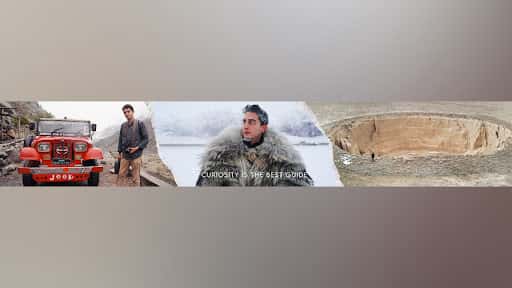
Ruhi Cenet Documentaries
Ruhi Cenet Documentaries brings place-based documentary storytelling to remote locations and unfamiliar communities across the world. Its Rediscovery...
 Top Pick
FocusNatural History
BBC Earth
Nature and wildlife documentaries bring viewers close to animal behaviour, ecosystems, and the forces shaping the planet. BBC Earth draws on BBC Earth...
 Top Pick
FocusSocial Realities
Real Stories
Real Stories presents immersive documentaries exploring human experiences, social issues, and stories from around the world. Its large catalogue and...