
Documentary
Impossible Places Global
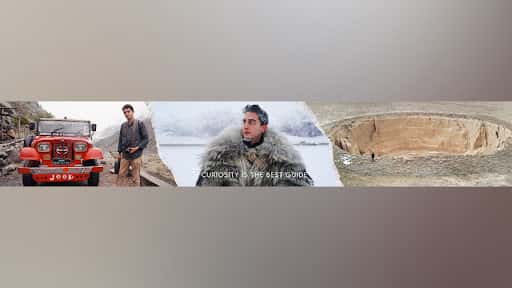
Cinematic travel documentaries guide viewers through remote landscapes, ancient ruins, unusual natural formations, and other destinations framed as extraordinary or difficult to reach. The editorial approach combines visual discovery with themes of history, mystery, geography, and exploration across global locations. It is a strong fit for viewers seeking atmospheric destination-led documentaries, while dramatic claims about places and histories are best considered alongside well-supported context.
Hidden GemDocumentary
Editorially reviewed:


Viewer engagementNot enough recent signal
Assessment pending
Editorial focusGlobal Places & Journeys
Recent videos
Latest from the source
Living in Bonaire | The Caribbean's Most Unique Island Paradise | 4K Travel Documentary
10 November 2026
Living in Rabbit Island | The Most Rabbits in the World | 4K Travel Documentary
08 November 2026
Living in Manihiki | The World's Richest Remote Island, Home to Only 207 People | 4K Travel
07 November 2026
Deep Dive
Impossible Places Global: Remote Wonders Beyond the Usual Map
Main focus
Impossible Places Global traces a route through remote landscapes, ancient ruins, unusual natural formations, and other destinations presented as hard to reach or little known. The films pair visual discovery with geography, history, mystery, and the stories attached to remarkable places.
Why it matters
Choosing a destination documentary for an evening of armchair travel, viewers can move between far-flung settings without losing the historical and geographical thread. The appeal lies in atmospheric tours of places that invite curiosity beyond standard travel itineraries.
Style
Cinematic travel-documentary pacing puts landscape and location at the center, building a sense of scale, isolation, or intrigue around each stop. The tone favors visual atmosphere and unfolding discovery, with history and mystery used to frame the journey.
Consistency
Across its compact run of destination-led films, the editorial focus stays close to extraordinary places, blending natural scenery with historical and mysterious settings.
- Remote landscapes and islands
- Ancient ruins and historical sites
- Unusual natural formations
- Mysterious caves and hidden places
- Dangerous roads and extreme destinations
- Geography, exploration, and local stories
Editorial note
For historical or archaeological claims, seek well-supported context; treat restricted or hazardous sites as subjects for informed viewing rather than travel instructions.
Related channels
More in Global Places & Journeys
 Top Pick
FocusGlobal Places & Journeys
Joe HaTTab
Travel documentaries take viewers into remote places, communities, and demanding environments, from Socotra and Everest to Cuba, Haiti, and...
 Top Pick
FocusExtreme Places & Human Conditions
Ruhi Cenet Documentaries
Ruhi Cenet Documentaries brings place-based documentary storytelling to remote locations and unfamiliar communities across the world. Its Rediscovery...