
Exploration
Lost Lakes
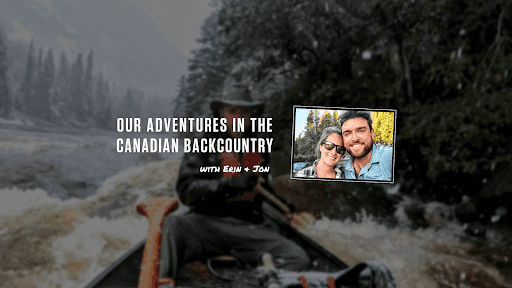
Lost Lakes documents extended backcountry camping, fishing, and wilderness travel across Canada. Recent releases favor substantial solo expeditions, often spanning five to twenty days, with long-form coverage of remote rivers, islands, camps, and demanding winter conditions. It best suits viewers seeking immersive outdoor exploration rather than quick, gear-led entertainment. The extreme cold and isolation shown call for careful judgment rather than imitation.
Hidden GemExploration
Editorially reviewed:

Viewer engagementHealthy engagement
Based on 20 recent videos
Assessed 08 September 2026
Editorial focusRemote Expedition Backpacking Gear
Editorial note
WorthWatch verdict
Best for
Viewers drawn to remote Canadian wilderness expeditions and backcountry camping.
Strength
Immersive, independent storytelling with substantial cold-weather and solo-trip depth.
Consider if
You prefer patient, nature-first journeys over polished travel pacing or sponsor-led gear coverage.
Recent videos
Latest from the source
Deep Dive
Lost Lakes: Long Solo Journeys Through Canadian Wilderness
Main focus
Lost Lakes follows Erin and Jon on extended backcountry camping, fishing, and wilderness travel across Canada. Its films linger on remote rivers, islands, and camps, with solo expeditions that can run from five days to several weeks.
Why it matters
Choosing a long-form escape into remote country, viewers get patient coverage of camp life, travel, and the changing demands of weather and terrain. The emphasis on sustained expeditions gives each journey a sense of place rather than a quick gear showcase.
Style
Long stretches of travel and camp routine shape an immersive, unhurried format, often centered on a single solo expedition. Remote landscapes, fishing, and winter conditions carry more weight than fast edits or product-led framing.
Consistency
Across 251 videos, extended Canadian wilderness journeys form a clear throughline, while recent releases lean toward substantial solo trips in remote and wintry settings.
- Extended solo backcountry expeditions
- Canadian rivers, islands, and remote camps
- Wilderness fishing
- Winter camping and severe cold
- Camp life and self-reliance
- Remote travel through changing terrain
Editorial note
Remote solo travel and sub-zero camping demand preparation, route knowledge, communication plans, and conservative decisions; treat these journeys as exploration, not a field guide.
Related channels
More in Remote Expedition and Backpacking Gear
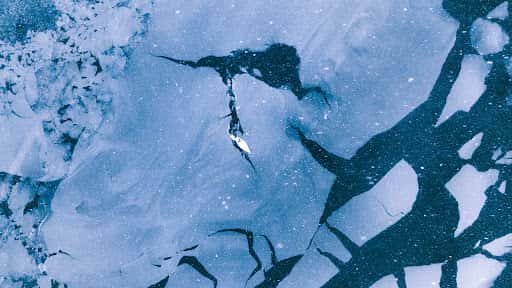
FocusRemote Expedition Sailing & Remote Passage-Making
Alluring Arctic
Arctic sailing and ski expeditions frame this channel’s long-form outdoor storytelling, spanning Norway, Svalbard, Iceland, Alaska, Greenland, and the...
 Top Pick
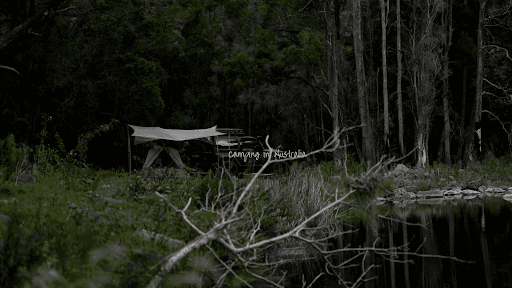
FocusWilderness Camping Backpacking Gear
Go4x4
Immersive camping films follow solo and dog-accompanied trips through Australian bush, rain camps, beach stays, and occasional snowy escapes. The...
 Top Pick
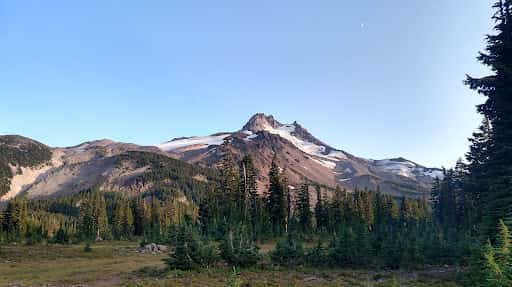
FocusBackcountry Hiking Backpacking Gear
thruhikers
Thruhikers follows long-distance hiking through expedition updates, compact trail lessons, and practical outdoor experiments. Recent videos pair...
 Top Pick
FocusBackcountry Hiking Backpacking Gear
Kraig Adams
Solo hiking journeys across Norway, Kyrgyzstan, Mallorca, the Balkans, Scotland, and Pakistan form the core of this filmmaker’s recent work. Extended...