
Documentary
Louisiana Channel
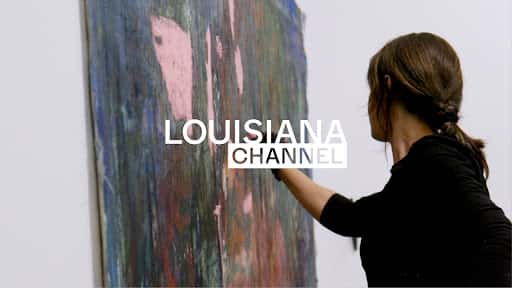
Artist conversations and films from Louisiana Museum of Modern Art bring contemporary art and culture into an ongoing documentary archive. Publishing weekly since 2012, the nonprofit project combines a substantial back catalogue with a commitment to extending the museum’s cultural work beyond exhibitions and events. It suits viewers seeking reflective introductions to artists and ideas rather than fast-moving criticism or art-market advice.
Hidden GemDocumentary
Editorially reviewed:

Viewer engagementHealthy engagement
Based on 20 recent videos
Assessed 15 September 2026
Editorial focusCultural Biography
Editorial note
WorthWatch verdict
Best for
viewers seeking thoughtful encounters with contemporary artists and writers
Strength
patient, intimate documentary portraits that foreground creative voices
Consider if
you want contrasting critical perspectives beyond a museum-curated viewpoint
Recent videos
Latest from the source
Deep Dive
Louisiana Channel: Artist Conversations Beyond the Gallery
Main focus
Louisiana Channel builds a long-running documentary archive around contemporary artists and cultural ideas. Its films and conversations extend the work of the Louisiana Museum of Modern Art beyond exhibitions, favouring reflective encounters over rapid commentary.
Why it matters
Choose it when you want a considered introduction to an artist or cultural question, with room for the subject’s own voice. Weekly publishing and a deep back catalogue make it useful for browsing contemporary art beyond the art market or quick-fire reviews.
Style
Intimate artist conversations and documentary films set an unhurried, reflective pace. The programming brings art and culture into focus through sustained encounters, often letting ideas and personalities develop rather than pushing toward a verdict.
Consistency
Weekly releases dating back to 2012 sit alongside a 1,460-video archive, creating a dependable destination for returning to artists and cultural conversations over time.
- Contemporary artists
- Artist conversations
- Documentary portraits
- Cultural ideas
- Museum and exhibition contexts
- Creative practice
Editorial note
The editorial perspective is curatorial and interpretive; pair it with other critics or institutions when you want competing readings of an artist or movement.
Related channels
More in Cultural Biography
 Top Pick
FocusWorld History
Timeline - World History Documentaries
World-history documentaries explore subjects ranging from ancient Egypt and medieval Europe to the First and Second World Wars. Timeline - World...
 Top Pick
FocusWorld History
Kings and Generals
Military campaigns, battles, and strategy form the core of Kings and Generals’ historical storytelling, spanning antiquity through the modern era....
 Top Pick
FocusWorld History
Absolute History
History documentaries explore dramatic, curious and sometimes unsettling episodes from the past through accessible long-form storytelling. The...
 Top Pick
FocusWorld History
British Pathé
Historic newsreels trace major conflicts, political change, public ceremonies, popular culture, and everyday life across the twentieth century and...