
Documentary
Nina Defilla
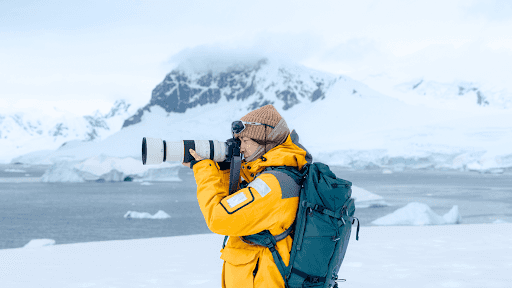
Cinematic wildlife films and expedition stories bring viewers into remote environments across Antarctica, Africa, the Arctic, and Canada. Nina Defilla pairs animal encounters with immersive landscape filmmaking and a conservation-minded perspective, making Nina Defilla more experiential than instructional. It is a strong fit for viewers who enjoy nature documentaries, field expeditions, and visually led stories about wild places.
Hidden GemDocumentary
Editorially reviewed:

Viewer engagementStrong engagement
Based on 20 recent videos
Assessed 24 August 2026
Editorial focusWildlife
Editorial note
WorthWatch verdict
Best for
viewers drawn to cinematic wildlife expeditions
Strength
immersive landscape-led storytelling around animal encounters
Consider if
you prefer atmospheric field films to detailed wildlife science
Recent videos
Latest from the source
Deep Dive
Nina Defilla: Wildlife Expeditions in Remote Landscapes
Main focus
Nina Defilla brings wildlife encounters and expedition stories from Antarctica, Africa, the Arctic, and Canada into cinematic films shaped by vast landscapes. Animals, remote travel, and conservation-minded observation sit at the center of the work.
Why it matters
Choose this source when you want to spend time in wild places rather than watch a technical wildlife lesson. Its films pair animal encounters with the scale and atmosphere of expedition travel, giving nature documentary fans an immersive route into remote environments.
Style
Cinematic field sequences and expansive landscape imagery lead the storytelling, with expedition experiences providing a personal thread. The mood is observational and atmospheric, placing feeling and place ahead of dense scientific explanation.
Consistency
Across its remote-region films, the work maintains a clear interest in wildlife, landscape immersion, and expedition-led nature storytelling rather than instructional or research-heavy formats.
- Wildlife encounters
- Remote expeditions
- Antarctic and Arctic environments
- African wildlife and landscapes
- Canadian wilderness
- Conservation-minded storytelling
Editorial note
The cinematic approach favors atmosphere and personal expedition narrative; viewers seeking detailed wildlife science should pair it with specialist research sources.
Related channels
More in Wildlife
 Top Pick
FocusWildlife
Nat Geo Animals
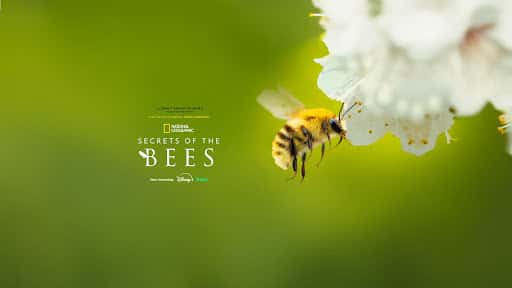
Animal-kingdom programming introduces viewers to wildlife subjects through a broad documentary-oriented library. Nat Geo Animals emphasizes discovery,...
 Top Pick
FocusWildlife
Forrest Galante
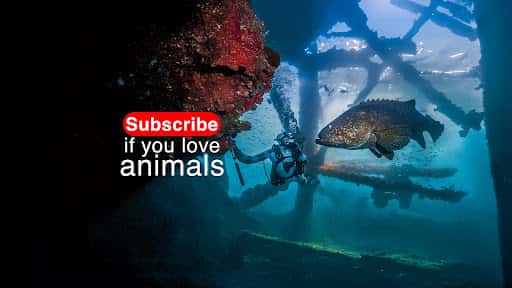
Wildlife biologist and host Forrest Galante uses television-style natural history and adventure programming to introduce animals, field encounters,...
 Top Pick
FocusNatural History
BBC Earth
Nature and wildlife documentaries bring viewers close to animal behaviour, ecosystems, and the forces shaping the planet. BBC Earth draws on BBC Earth...
 Top Pick
FocusNatural History
Free Documentary - Nature
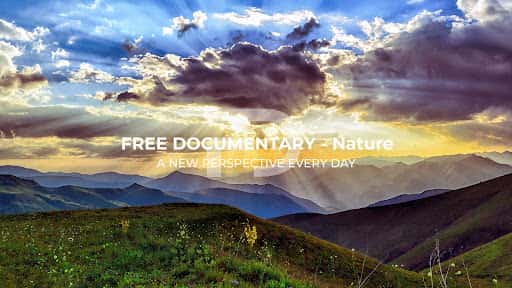
Nature documentary programming takes viewers into wildlife, landscapes, and environmental subjects from around the world. Its stated approach...