
Academic Learning
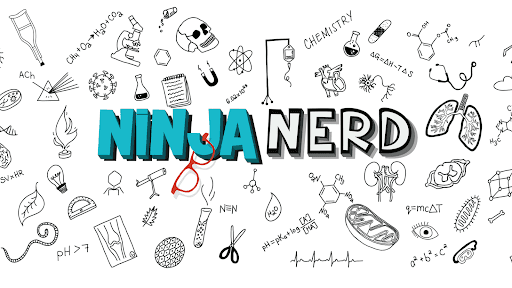
Ninja Nerd
Clinical medicine lessons cover infections, anatomy, and disease processes through extended teaching videos and companion podcast episodes. Recent uploads pair subjects such as pneumonia, hepatitis, urinary tract infection, and C. difficile with clearly labeled clinical-medicine formats, often running from substantial lectures to shorter audio-led discussions. It is best suited to learners seeking systematic health-science study rather than personal diagnosis or treatment guidance.
Discovery PickAcademic Learning
Editorially reviewed:

Viewer engagementHealthy engagement
Based on 20 recent videos
Assessed 15 September 2026
Editorial focusStudent Learning Support Science & Research
Editorial note
WorthWatch verdict
Best for
Medical and healthcare learners needing structured study support
Strength
Clear, organized explanations across clinical concepts, diagnoses, and management frameworks
Consider if
You want medical learning support, not personal diagnosis or treatment guidance
Recent videos
Latest from the source
Deep Dive
Ninja Nerd: Clinical Medicine from Anatomy to Infection
Main focus
Ninja Nerd builds systematic clinical-medicine lessons around anatomy, infections, and disease processes. Extended lectures sit alongside companion podcast discussions, covering subjects from pneumonia and hepatitis to urinary tract infection and C. difficile.
Why it matters
Preparing for a clinical medicine exam or consolidating a difficult topic, learners can use the long-form lessons to work through connected concepts at a measured pace. Named conditions and clearly defined formats support systematic health-science study.
Style
Long-form lectures anchor Ninja Nerd, while shorter podcast-led discussions offer a different route into selected subjects. Clearly labeled, condition-focused topics give the material an organized, classroom-oriented feel rather than a quick-reference approach.
Consistency
Across its infection, anatomy, and disease-process coverage, the archive favors extended teaching formats supported by shorter audio-led discussions. Recent subjects maintain a condition-focused clinical-medicine mix.
- Infectious diseases
- Clinical anatomy
- Disease processes
- Pneumonia and respiratory illness
- Hepatitis
- Urinary tract infections
- Clinical medicine discussions
Editorial note
Use these lessons for study, not self-diagnosis or personal treatment decisions; symptoms, medicines, and urgent concerns warrant qualified clinical care.
Related channels
More in Student Learning Support and Science & Research
 Top Pick
FocusStudent Learning Support Science & Research
RegisteredNurseRN
Nurse Sarah teaches nursing students and early-career nurses through NCLEX reviews, clinical-skills lessons, school guidance, and career-oriented...
 Top Pick
FocusStudent Learning Support Science & Research
Professor Dave Explains
Step-by-step tutorials bring chemistry, physics, biology, and broader science concepts to high-school, undergraduate, and curious general audiences....
 Top Pick
FocusStudent Learning Support Science & Research
Osmosis from Elsevier
Osmosis from Elsevier teaches consumer-facing medical and health concepts through a large library of educational videos. Its wider learning ecosystem...
 Top Pick
FocusStudent Learning Support Science & Research
Wayne Breslyn (Dr. B.)
Chemistry lessons and science explainers form the core of Dr. B.'s extensive educational library.