
Academic Learning
St. John's College
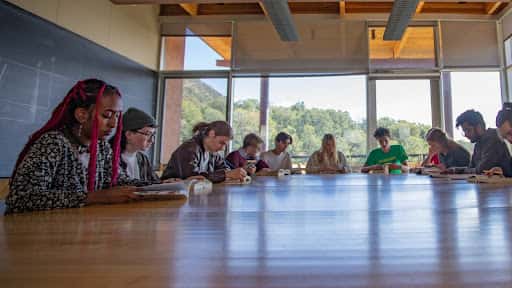
Great Books study anchors a liberal-arts channel exploring philosophy, literature, mathematics, science, history, music, economics, and language across the Western tradition. Its distinctive framework follows texts chronologically over roughly 3,000 years and emphasizes discussion-based, interdisciplinary learning rather than departmental majors. It will best serve viewers seeking serious humanities education, intellectual history, and sustained engagement with foundational works.
Hidden GemAcademic Learning
Editorially reviewed:

Viewer engagementLimited engagement
Based on 20 recent videos
Assessed 03 October 2026
Editorial focusUniversity Lectures Humanities & Culture
Editorial note
WorthWatch verdict
Best for
Dedicated readers pursuing sustained Great Books study
Strength
Seminar-like connections among foundational texts and disciplines
Consider if
you prefer demanding, text-centered inquiry rooted largely in the Western tradition
Recent videos
Latest from the source
Deep Dive
St. John's College: Great Books Through the Ages
Main focus
St. John's College traces a Great Books curriculum through philosophy, literature, mathematics, science, history, music, economics, theology, and language. Its interdisciplinary approach follows primary texts chronologically across roughly 3,000 years, centering discussion rather than academic departments.
Why it matters
Readers ready to spend time with foundational texts can use this channel to place major works in a long intellectual sequence. It suits sustained humanities study more than quick primers, linking literary, scientific, and philosophical questions across disciplines.
Style
Discussion-led explorations and text-centered study give the material a seminar-like character. The emphasis falls on connections among primary works, chronological context, and interdisciplinary inquiry rather than narrowly separated subjects.
Consistency
Great Books study anchors a broad body of material spanning ancient works through the modern era. The range remains wide, but it stays grounded in sustained, discussion-based liberal-arts inquiry.
- Great Books and primary texts
- Philosophy and intellectual history
- Literature and language translation
- Mathematics and science
- History, economics, and theology
- Interdisciplinary liberal-arts study
Editorial note
Expect demanding, text-centered study rather than short introductory lessons; the Western-tradition focus may feel narrow for those seeking globally oriented or contemporary humanities coverage.
Related channels
More in University Lectures and Humanities & Culture
FocusUniversity Lectures Student Learning Support
WeberAuto
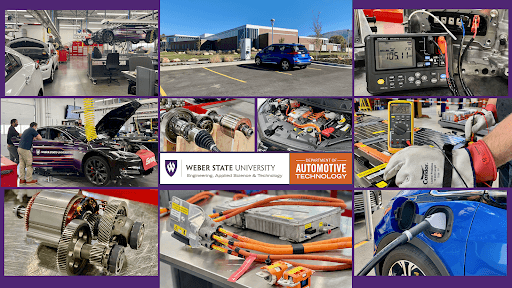
University automotive instruction covers hybrid and electric vehicles, transmissions, drivetrains, vibration diagnosis, and service methodology....
 Top Pick
FocusOpen Courseware University Lectures
MIT OpenCourseWare
MIT OpenCourseWare publishes academic instruction spanning introductory subjects through advanced graduate coursework. Its course-based format extends...
 Top Pick
FocusPublic Scholarship University Lectures
Harvard University
Harvard University documents teaching, learning, research, and campus life across its schools and wider global work. Its scope extends from...
 Top Pick
FocusOpen Courseware University Lectures
YaleCourses
Complete university lectures form the backbone of YaleCourses, bringing classroom teaching and academic programs to a broad online audience. Its Open...