
Academic Learning
Stanford Medicine
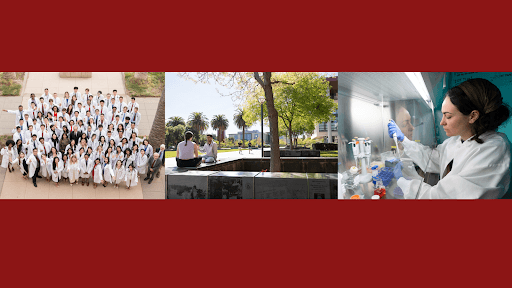
Stanford Medicine presents biomedical research, clinical education, and health-system perspectives through lectures, events, presentations, and stories from its academic community. Its catalogue brings together contributions from departments, divisions, students, and care-focused programs, giving viewers access to institutional teaching and research formats. It is best suited to viewers seeking structured medical learning and health-science context; clinical topics should be considered alongside guidance from qualified care professionals.
Hidden GemAcademic Learning
Editorially reviewed:

Viewer engagementLimited public metrics
Based on 20 recent videos
Assessed 15 September 2026
Editorial focusPublic Scholarship Science & Research
Editorial note
WorthWatch verdict
Best for
viewers seeking in-depth biomedical and clinical context
Strength
expert-led lectures and research-informed health perspectives
Consider if
you prefer detailed institutional presentations over quick consumer-health explanations
Recent videos
Latest from the source
Deep Dive
Stanford Medicine: Biomedical Lectures and Clinical Perspectives
Main focus
Stanford Medicine brings together biomedical research, clinical education, and health-system perspectives from its academic community. Lectures, events, presentations, and stories connect departmental expertise with the people and programs shaping patient care and medical learning.
Why it matters
Use it to add structured medical context to a research question, health-science topic, or clinical field you want to understand more deeply. The range of contributors gives viewers access to academic discussion alongside care-focused perspectives.
Style
Lectures and event recordings form the core format, complemented by presentations and community stories. The tone is institutional and educational, often favoring detailed expert explanation over quick consumer-health takeaways.
Consistency
Across a broad collection of departmental and community contributions, Stanford Medicine maintains a clear academic-health focus while moving between formal teaching, event coverage, and human-centered stories.
- Biomedical research
- Clinical education
- Health-system perspectives
- Academic lectures and presentations
- Patient care and medical community stories
Editorial note
Treat clinical and research content as educational context, not personal medical advice; discuss symptoms, treatment choices, and individual risks with a qualified care professional.
Related channels
More in Public Scholarship and Science & Research
 Top Pick
FocusPublic Scholarship Science & Research
Stanford
Stanford brings academic inquiry across a broad range of disciplines to a public video audience, spanning the work of seven schools on one campus. Its...
 Top Pick
FocusPublic Scholarship Science & Research
The Royal Institution
Explosive science films sit alongside full-length lectures that invite audiences to reconsider familiar questions through research and ideas. The...
 Top Pick
FocusPublic Scholarship Science & Research
Massachusetts Institute of Technology (MIT)
MIT publishes institutional educational videos spanning science, technology, and broader scholarship. Its work is framed around advancing knowledge,...
 Top Pick
FocusPublic Scholarship Science & Research
Cambridge University
Cambridge University presents research, discoveries and academic ideas through accessible films and talks. Its Cambridge Ideas series brings...