
Home, DIY & Practical Skills
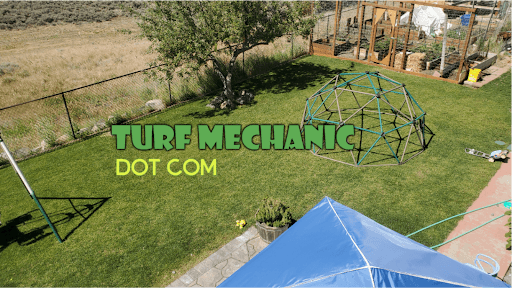
Turf Mechanic
Lawn-care teaching is the core of Turf Mechanic, with an emphasis on maintaining healthy turf while limiting reliance on synthetic fertilizers and chemicals. Its sizeable library and established audience suggest sustained coverage of practical lawn topics rather than a narrow one-off project focus. It should suit homeowners seeking lower-input maintenance ideas, while product choices and application decisions merit attention to current labels and local conditions.
Hidden GemHome, DIY & Practical Skills
Editorially reviewed:

Viewer engagementHealthy engagement
Based on 20 recent videos
Assessed 01 September 2026
Editorial focusLawn & Outdoor Care
Editorial note
WorthWatch verdict
Best for
Homeowners refining a lower-input lawn routine
Strength
Sustained practical coverage of turf maintenance choices
Consider if
you can adapt product and treatment decisions to local conditions and current labels
Recent videos
Latest from the source
Deep Dive
Turf Mechanic: Lower-Input Lawn Care for Healthy Turf
Main focus
Turf Mechanic concentrates on lawn care for homeowners aiming to keep healthy turf while reducing reliance on synthetic fertilizers and chemicals. The emphasis is ongoing maintenance rather than a single makeover.
Why it matters
Choosing a lower-input routine for a lawn can benefit from practical perspectives on balancing turf health with fewer synthetic treatments. Turf Mechanic is geared toward homeowners weighing maintenance habits and product decisions over time.
Style
Lower-input turf maintenance provides the organizing thread, with practical teaching around routine care and product choices. The approach speaks to homeowners comparing ways to maintain a lawn with fewer synthetic inputs.
Consistency
Five years of lawn-care teaching and a 688-video back catalogue point to sustained coverage across routine turf-maintenance questions rather than a narrow project series.
- Lower-input lawn maintenance
- Healthy turf care
- Reducing synthetic fertilizer use
- Reducing chemical treatments
- Routine lawn-maintenance choices
- Homeowner product decisions
Editorial note
Treat fertilizer and lawn-treatment ideas as starting points: check current labels, local rules, soil and climate needs, and protect pets, children, and nearby plants.
Related channels
More in Lawn & Outdoor Care
 Top Pick
FocusLawn & Outdoor Care
The Lawn Tools
Warm-season lawn care takes center stage, with Bermuda and zoysia maintenance explored alongside weed control, flower planting, and general garden...
 Top Pick
FocusGardening
Epic Gardening
In-depth gardening guides, practical tips, and growing inspiration give viewers a clear route from planning to hands-on cultivation. Epic Gardening...
 Discovery Pick
FocusLawn & Outdoor Care Backup Power & Generators
Silver Cymbal
Silver Cymbal covers hands-on home ownership topics spanning plumbing, heating, generators, landscaping, gardening, and lawn care. Its editorial...
 Discovery Pick
FocusHome Improvement Decks & Outdoor Structures
Home RenoVision DIY
Home RenoVision DIY teaches homeowners professional-style renovation methods through step-by-step practical instruction. Its Forever Home series...