
Home, DIY & Practical Skills
Two Moose Design
Woodworking projects anchor a maker channel that also explores CNC workflows, lasers, 3D printing, tool reviews, and shop improvements. Run by working wood-business owners since 2017, the programming connects commercial projects with experiments, practical shop upgrades, and candid accounts of successes and failures. It suits makers seeking varied fabrication ideas and tool context, while powered machinery and fabrication projects call for appropriate care and current manufacturer guidance.
Hidden GemHome, DIY & Practical Skills
Editorially reviewed:


Viewer engagementNot enough recent signal
Sample target: 20 recent videos
Assessment pending
Editorial focusWoodworking
Deep Dive
Two Moose Design: Woodworking, CNC and Shop-Building Experiments
Main focus
Two Moose Design follows a working woodworking business through furniture-making, CNC work, lasers, 3D printing, tool reviews, and upgrades around the shop. Projects move between commercial ideas, useful workspace improvements, and builds made simply to explore a new concept.
Why it matters
Makers weighing a new tool, fabrication method, or shop upgrade can find practical context across several connected disciplines. The mix of profitable builds, experiments, and candid mishaps gives Two Moose Design a grounded view of what making work can involve.
Style
Working-shop projects drive the programming, with tools and fabrication methods considered through real builds rather than isolated product talk. The tone leaves room for experiments, unexpected outcomes, and the practical demands of running a maker business.
Consistency
Since 2017, Two Moose Design has built a varied body of work around woodworking and digital fabrication, balancing business-led projects with workshop experiments and upgrades. Its range is broad, but the shop remains the clear center of gravity.
- Woodworking projects
- CNC workflows
- Laser and 3D printing projects
- Tool reviews and comparisons
- Shop improvements
- Maker business projects
- Experimental builds
Editorial note
Use current manufacturer manuals, suitable protective equipment, and established shop procedures when adapting ideas involving powered tools, CNC equipment, lasers, or unfamiliar materials. Treat tool opinions as one input alongside your workspace, budget, and project needs.
Related channels
More in Woodworking
 Top Pick
FocusWoodworking Tools & Workshop
Steve Ramsey - Woodworking for Mere Mortals
Woodworking for Mere Mortals teaches budget-conscious woodworking for beginners, with an emphasis on limited-space shops and an under-$1,000 setup....
 Top Pick
FocusWoodworking Tools & Workshop
Workshop Companion
Woodworking instruction for modern makers is the central purpose, spanning practical information, videos, podcasts, and related digital media. The...
 Top Pick
FocusWoodworking Tools & Workshop
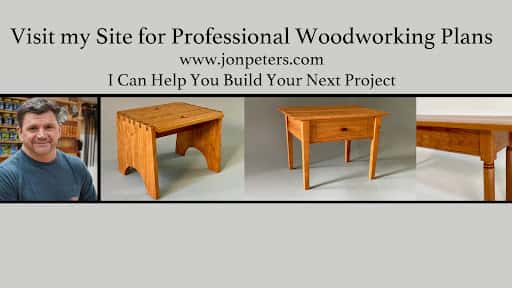
Jon Peters - Longview Woodworking
Professional furniture-making instruction anchors this woodworking library, with projects presented from wood selection through construction, sanding,...
 Top Pick
FocusWoodworking Tools & Workshop
Paul Sellers
Woodworking instruction from Paul Sellers concentrates on developing hand-tool knowledge and practical making skills through a substantial library of...