
Technology
WhiteboardDoodles
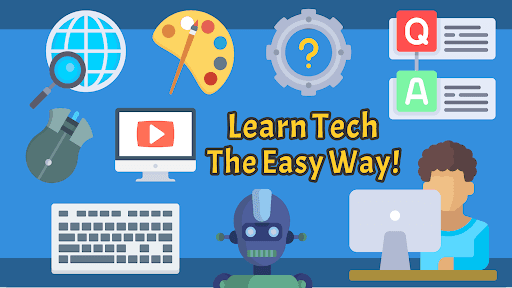
Whiteboard animations break down foundational computing topics such as Linux, networking, programming, operating systems, AI, and digital electronics into beginner-friendly lessons. The recent catalogue shows a consistent explanatory format, with focused guides on topics from IP addresses and HTTP codes to file permissions and regular expressions. It is a useful starting point for learners seeking visual introductions or a concise refresher on core technical concepts. Security-related tutorials are best paired with current official documentation when applying changes to real systems.
Hidden GemTechnology
Editorially reviewed:

Viewer engagementHealthy engagement
Based on 20 recent videos
Assessed 08 September 2026
Editorial focusDeveloper Education Linux & Open Source
Editorial note
WorthWatch verdict
Best for
Beginners building core computing and Linux knowledge
Strength
Clear whiteboard explanations of technical foundations
Consider if
you want concise visual refreshers before deeper documentation or hands-on practice
Recent videos
Latest from the source
Deep Dive
WhiteboardDoodles: Tech Concepts Drawn into Focus
Main focus
WhiteboardDoodles turns computer basics, programming, networking, data science, AI and cybersecurity into compact visual explainers. Its whiteboard-led approach translates technical ideas into clear, approachable language.
Why it matters
Choosing a quick refresher on a technical concept, viewers can use these lessons to orient themselves before moving into documentation or hands-on work. The broad subject range supports a foundation across several areas of computing.
Style
Drawn diagrams and whiteboard animations break processes into bite-sized visual sequences rather than dense lectures. The tone is accessible and concept-led, serving beginners while giving experienced learners a brisk recap.
Consistency
Across 49 videos, the subject range spans foundational computing and newer areas such as AI and cybersecurity, creating a compact reference shelf rather than a narrowly specialised series.
- Computer fundamentals
- Programming concepts
- Networking
- Data science
- Artificial intelligence
- Cybersecurity
- Software development
Editorial note
Use cybersecurity and implementation lessons as starting points, then check current official documentation before changing systems, choosing tools, or applying security practices.
Related channels
More in Developer Education and Linux & Open Source
 Top Pick
FocusDeveloper Education AI & Machine Learning
Fireship
Fireship teaches programming concepts and developer-facing technology news through compact, high-intensity tutorials designed to help viewers build...
 Top Pick
FocusDeveloper Education AI & Machine Learning
Google for Developers
Google for Developers is a large, clearly focused technology education channel for developers, covering Google-related tools and platforms such as AI,...
 Top Pick
FocusDeveloper Education AI & Machine Learning
ByteByteGo
Large-scale system design is taught through material aimed at understanding how modern software services are planned and scaled. ByteByteGo pairs...
 Top Pick
FocusConsumer Technology Linux & Open Source
ExplainingComputers
Weekly computing videos explain hardware, emerging technology, and related digital topics through an educational lens. ExplainingComputers is...