
Engineering & Infrastructure
Justine Underhill
Urban design, housing, streets, transit, and the built environment are explained through concise, question-led videos. The recent catalogue relies heavily on short visual explainers, with topics ranging from highway width and traffic congestion to parks, bike paths, historic urban form, and housing supply; it also includes an occasional longer feature. It is a strong fit for viewers seeking accessible introductions to how infrastructure and planning choices shape everyday city life. Policy-minded viewers may want to pair its arguments with local context and competing perspectives.
Hidden GemEngineering & Infrastructure
Editorially reviewed:


Viewer engagementHealthy engagement
Based on 20 recent videos
Assessed 25 September 2026
Editorial focusUrban Planning Transport Systems
Editorial note
WorthWatch verdict
Best for
Viewers curious about how cities, housing, and streets shape daily life
Strength
Accessible civic storytelling that connects urban form with economic and social forces
Consider if
you want context for public debates about growth, density, and infrastructure
Recent videos
Latest from the source
Deep Dive
Justine Underhill: How Streets, Housing and Public Space Shape Cities
Main focus
Justine Underhill examines the choices that shape urban life, from road capacity and congestion to housing supply, parks, transit, and historic city form. Concise explainers connect planning decisions to the everyday experience of moving through and living in a city.
Why it matters
Deciding how a wider road, bike route, or new housing could affect a neighbourhood is easier with clear visual context. Justine Underhill turns familiar civic debates into approachable starting points for understanding the built environment.
Style
Short, visually driven questions lead most of the recent work, using direct framing to unpack a single planning issue at a time. The brisk format suits quick orientation, while occasional longer features allow more room for a subject.
Consistency
Recent output leans heavily toward brief visual explainers on streets, housing, transport, and public space. The subject range remains centred on how urban design choices influence daily city life, with occasional longer features.
- Housing supply and urban growth
- Road width and traffic congestion
- Transit and walkable streets
- Bike paths and active travel
- Parks and public space
- Historic urban form
Editorial note
Urban design and housing debates involve real trade-offs between communities, budgets, access, and land use. Use the videos as a clear introduction, then compare local conditions and competing policy perspectives before drawing conclusions.
Related channels
More in Urban Planning and Transport Systems
 Top Pick
FocusUrban Planning Transport Systems
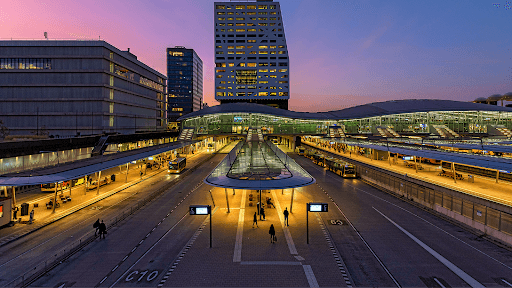
Not Just Bikes
Not Just Bikes examines urban planning and everyday city experiences, with particular attention to why Dutch cities function differently. Its work is...
 Top Pick
FocusUrban Planning Transport Systems
City Beautiful
Through regular videos on transportation, land-use planning, and urban design, City Beautiful explains how cities are shaped and managed. Its...

FocusUrban Planning Transport Systems
Ray Delahanty | CityNerd
CityNerd is an English-language urbanism and transportation channel led by Ray Delahanty, who describes experience in transportation planning and...
FocusRail & Transit Transport Systems
RMTransit
RMTransit explains how metros, trams, buses, rail networks, and wider urban transport systems work across Canada and around the world. Its editorial...