
Engineering & Infrastructure
Oh The Urbanity!
Urban design, transit, housing, and car-free living are examined through city walks, streetscapes, comparative examples, and demographic framing. Recent videos range from pedestrian-street economics and tram systems to Quebec urbanism, apartment living, and housing reform, pairing practical city questions with broader policy discussion. It is a strong fit for viewers who want accessible urbanism analysis with a Montreal perspective and international comparisons. Opinion-led policy episodes benefit from being considered alongside local sources and differing viewpoints.
Hidden GemEngineering & Infrastructure
Editorially reviewed:
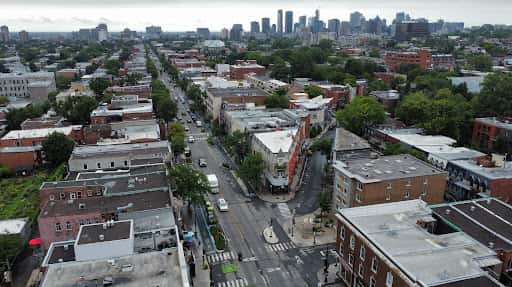

Viewer engagementStrong engagement
Based on 20 recent videos
Assessed 15 October 2026
Editorial focusUrban Planning Transport Systems
Editorial note
WorthWatch verdict
Best for
Viewers curious about car-free city life and housing
Strength
Street-level urban analysis paired with clear demographic context
Consider if
you want accessible comparisons of transit, cycling, density, and public space
Recent videos
Latest from the source
Deep Dive
Oh The Urbanity!: Streets, Transit and Housing in City Life
Main focus
Oh The Urbanity! follows the everyday mechanics of urban life, moving through streets, transit networks and housing choices with Montreal as a regular reference point. City walks and demographic framing connect pedestrian space, apartment living and transport systems to broader questions of policy and affordability.
Why it matters
Choosing how to read a proposed tram line, pedestrian street or housing reform becomes easier with comparisons that link design choices to daily life. Oh The Urbanity! gives urbanist questions a tangible scale, pairing local observations with examples from other cities.
Style
Walking and cycling through real streets gives the analysis a grounded visual anchor, while maps, streetscapes and demographic context broaden the argument. The tone is accessible and conversational, shifting between on-the-ground observation and policy-minded explanation.
Consistency
Across its 204-video archive, recurring attention to transit, walkability, housing and Quebec urbanism creates a clear throughline, while recent subjects also range from pedestrian-street economics to tram systems.
- Walkable streets and car-free living
- Public transit and tram systems
- Housing affordability and apartment living
- Montreal and Quebec urbanism
- Pedestrian streets and local economies
- Urban policy and planning reform
Editorial note
Policy-led arguments are best weighed alongside local reporting, planning documents and perspectives from affected communities, since conditions and trade-offs vary city by city. Note any paid product placement when it is disclosed.
Related channels
More in Urban Planning and Transport Systems
 Top Pick
FocusUrban Planning Transport Systems
Not Just Bikes
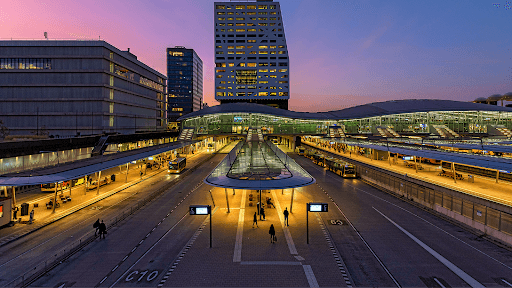
Not Just Bikes examines urban planning and everyday city experiences, with particular attention to why Dutch cities function differently. Its work is...
 Top Pick
FocusUrban Planning Transport Systems
City Beautiful
Through regular videos on transportation, land-use planning, and urban design, City Beautiful explains how cities are shaped and managed. Its...

FocusUrban Planning Transport Systems
Ray Delahanty | CityNerd
CityNerd is an English-language urbanism and transportation channel led by Ray Delahanty, who describes experience in transportation planning and...
FocusRail & Transit Transport Systems
RMTransit
RMTransit explains how metros, trams, buses, rail networks, and wider urban transport systems work across Canada and around the world. Its editorial...